Why We’re Not an SMR Company
Copenhagen Atomics is often listed as an SMR company, alongside the small modular reactor developers building factory-made nuclear power. Our reactor is small and built in a factory, but it is a thorium molten salt breeder reactor with liquid fuel, not a conventional solid-fuel SMR. Here is why that difference matters.
thermal power per reactor unit (about 42 MWe)
each unit fits the footprint of a shipping container
of mined material used, versus about 1% in light water reactors
per MWh – our all-in energy cost target
What Is a Small Modular Reactor (SMR)? Why the Definition Falls Short
Industry commentary often groups Copenhagen Atomics into the SMR category, because our reactor unit fits inside a box the size of a 40-foot shipping container and is engineered for factory manufacturing. We reject the SMR label. It conflates our technology with solid-fuel light water reactors and obscures the fuel logic that defines our system.
Small modular reactors (SMRs) lack a unified technical definition. The International Atomic Energy Agency (IAEA) defines SMRs simply as reactors of up to 300 MWe per unit – a size limit, nothing more. Many designs marketed as SMRs require approximately 100 tonnes of enriched uranium to start and take as long to construct as legacy full-scale plants.
The term SMR is a broad label rather than an engineering term. It covers 500 MWe pressurised water reactors that need vast quantities of concrete and steel as well as smaller reactors producing tens of megawatts. It says nothing about the number of modules or onsite construction, and fuel technology, waste management and levelised cost of energy vary widely.
Broad classifications like Gen IV reactors obscure vital operational realities, too. Virtually every operating or proposed reactor follows the same load, burn, unload and repeat cycle: solid-fuel reactors reload fresh fissile material every 18 to 24 months and extract energy from approximately one percent of the mined material.
Thorium Molten Salt Reactors: Continuous Breeding Instead of Refuelling
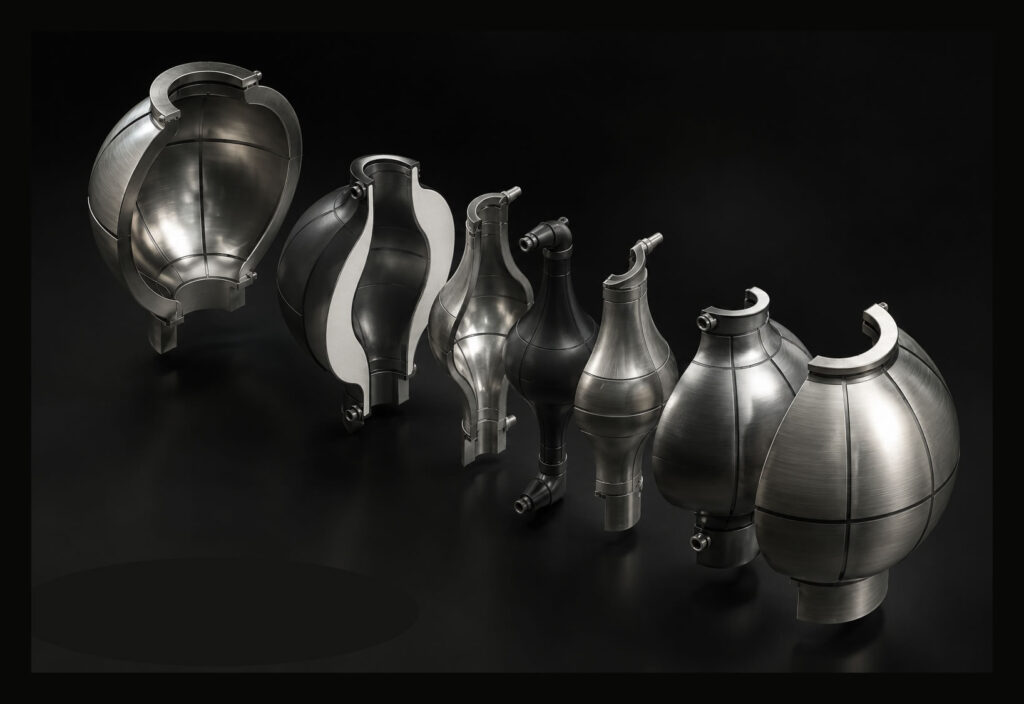
A thorium molten salt reactor breaks the load, burn and unload cycle. In the Copenhagen Atomics design, liquid fuel salt remains inside the reactor for decades. The reactor operates continuously, without refuelling shutdowns, by topping up fertile thorium in a separate blanket salt.
During operation, the system breeds uranium-233 from thorium at a breeding ratio above one, replacing the fuel it consumes. This fuel cycle uses up to 96 percent of mined material – a 100-fold increase in fuel efficiency compared with conventional light water reactors.
The generic SMR label erases this core technical distinction: the difference between a solid-fuel reactor and a liquid-fuel thorium breeder reactor.
Liquid fuel for decades
The fuel salt stays in the reactor. Thorium is topped up during operation, so there are no refuelling shutdowns.
Breeding ratio above one
Uranium-233 is bred from fertile thorium at least as fast as it is consumed, so the reactor makes its own fuel.
100× fuel efficiency
Up to 96% of mined material is used for energy, compared with about 1% in today’s light water reactors.
Turning Spent Nuclear Fuel and Transuranic Waste into Energy
The true measure of a reactor technology is found in its economic incentives. Conventional nuclear operators treat spent fuel as a liability that costs money to store. Copenhagen Atomics purchases transuranic waste at approximately $10,000 per kilogram, compared with roughly $4,000 per kilogram for standard 5% enriched U-235, because transuranic actinides work as high-value fuel in our system.
Burning transuranics alongside thorium in a molten salt reactor achieves measurable outcomes:
more energy from spent nuclear fuel than the light water reactor that first used it
of above-ground waste storage, instead of 100,000 years in deep geological repositories
of the electricity generation cost of traditional nuclear power plants
Factory-Built Reactors: Hardware Testing and Mass Manufacturing
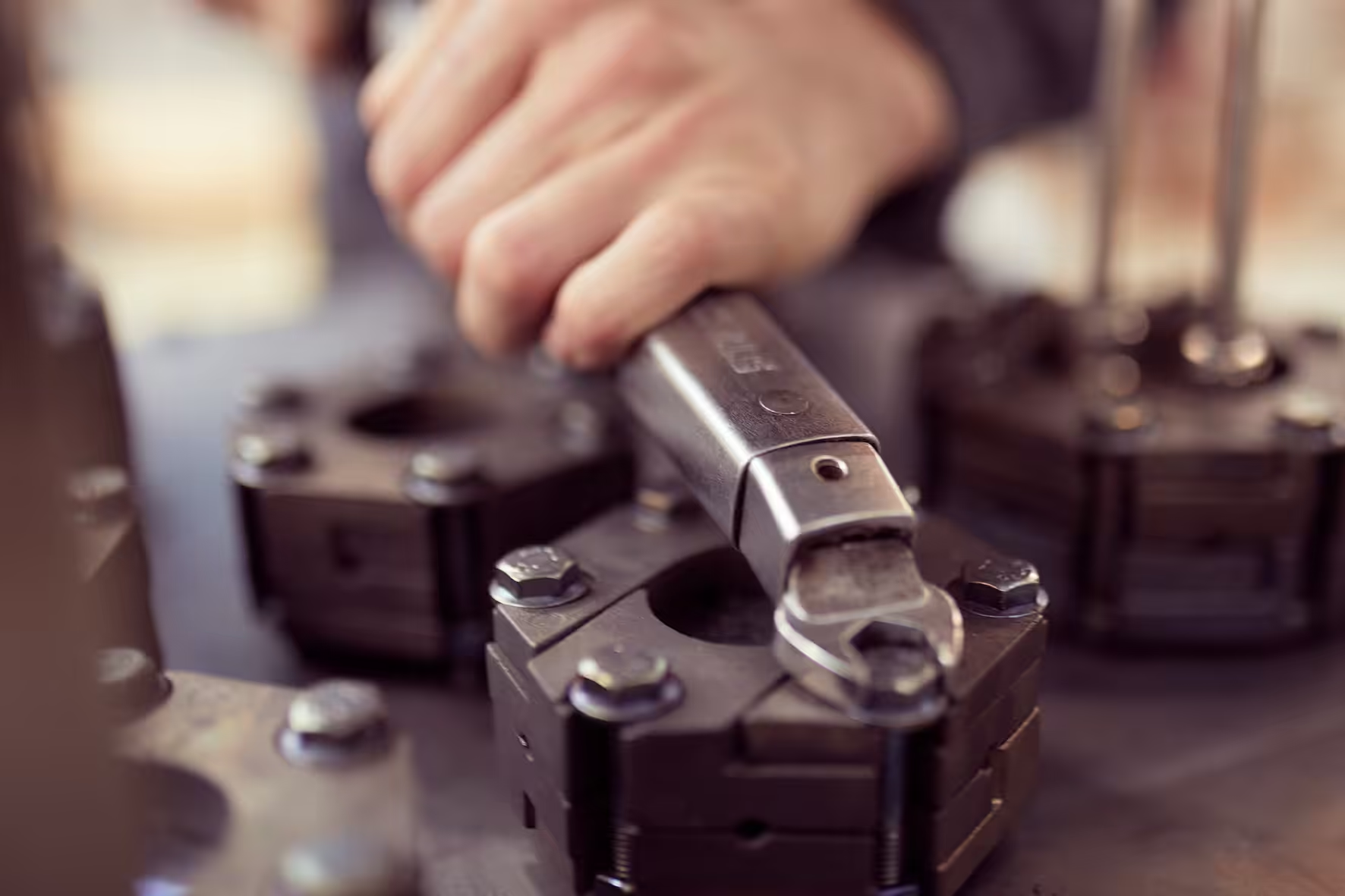
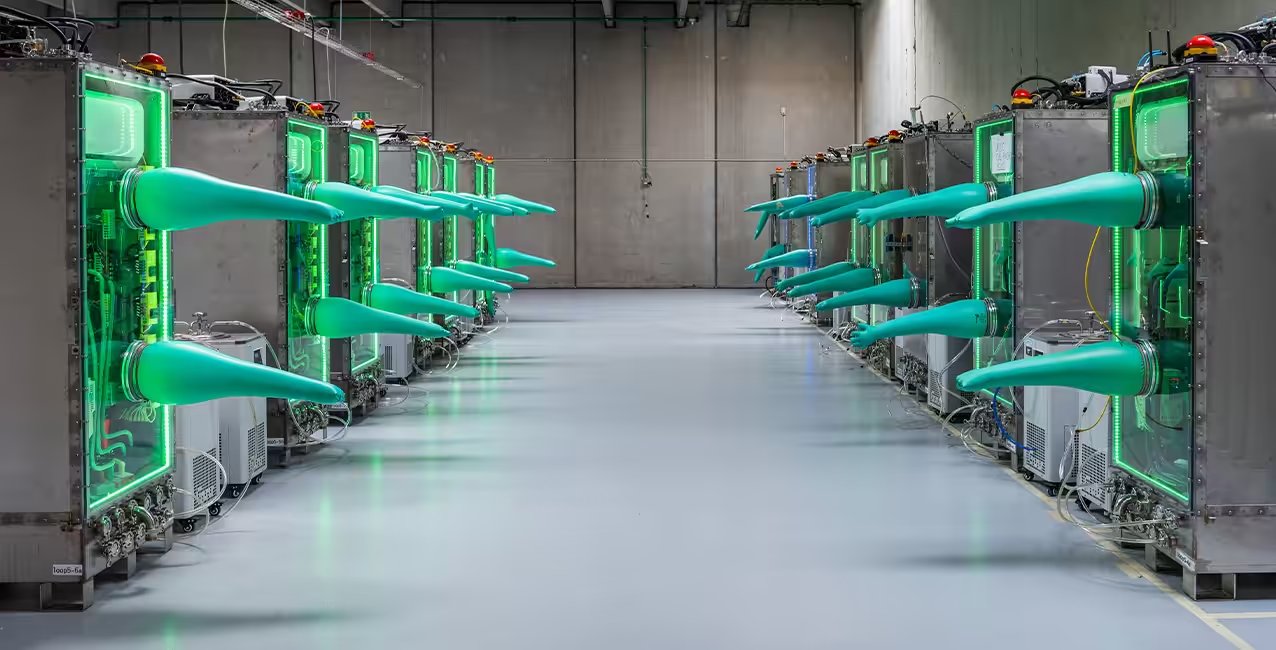
Copenhagen Atomics builds and tests physical hardware. Our team has recorded over 160,000 days of component-level testing across more than 100 test systems, molten salt test loops and salt purification systems.
This hardware foundation supports our scheduled 1 MWth critical test reactor at the Paul Scherrer Institute (PSI) in Switzerland. Copenhagen Atomics manufactures standard energy hardware using an OEM component model:
- We manufacture containerised reactor units on assembly lines designed for an output of one reactor unit per day per line.
- Power plant developers acquire land, build the balance of plant, secure local licences and operate the plant.
- Copenhagen Atomics supplies reactor units and fuel salt under fixed-price contracts, managing capacity factor and fuel performance.
days of component testing
test systems and loops
reactor units per assembly line
Is Copenhagen Atomics an SMR? Size vs. Fuel Cycle
By the official measure, we do qualify as an SMR company. A Copenhagen Atomics unit produces 100 MWt of thermal power and is roughly the size of a 40-foot container, which puts us well within anyone’s definition of small. We could use the label.
However, we reject the SMR category because it groups our technology with solid-fuel light water reactors. Physical size is secondary to our fuel cycle and economics. Our engineering objective is to deliver energy at an all-in cost of $30–$40 per MWh, and lowering energy costs requires fundamental fuel cycle efficiency rather than scaling down legacy designs.
We support the companies building smaller light water reactors. Making a conventional reactor small enough to build in a factory is worthwhile, and it would be a genuine improvement for the industry. Copenhagen Atomics, however, manufactures reactor units that run on fertile material instead of fissile fuel: Molten Salt Breeder Reactors engineered to convert spent nuclear fuel into energy.
Copenhagen Atomics vs. Other SMR Companies
Most SMR companies are building smaller versions of solid-fuel reactors. Here is how the best-known designs compare with ours:
Company
Design
Reactor type
Fuel
Output per unit
NuScale Power
VOYGR / NPM
Pressurised water (light water)
Solid, enriched uranium
77 MWe
GE Vernova Hitachi
BWRX-300
Boiling water (light water)
Solid, enriched uranium
300 MWe
Rolls-Royce SMR
Rolls-Royce SMR
Pressurised water (light water)
Solid, enriched uranium
~470 MWe
X-energy
Xe-100
High-temperature gas-cooled
Solid TRISO pebbles
80 MWe
Kairos Power
KP-FHR
Molten salt-cooled
Solid TRISO pebbles
~75 MWe
TerraPower
Natrium
Sodium-cooled fast
Solid metallic uranium
345 MWe
Copenhagen Atomics
Thorium MSR
Liquid-fuel molten salt breeder
Thorium + transuranics dissolved in liquid salt
100 MWt / 42 MWe
Even Kairos Power, often called a “molten salt” SMR, uses molten salt only as a coolant around solid fuel. In the Copenhagen Atomics reactor the fuel itself is dissolved in the salt – which is what makes continuous thorium breeding possible.
Output figures are per reactor unit, based on the companies’ published design information: NuScale Power, GE Vernova Hitachi, Rolls-Royce SMR, X-energy, Kairos Power and TerraPower. For a full overview of SMR designs, see the World Nuclear Association.
FAQ: SMR Companies, Thorium and Molten Salt Reactors
Is Copenhagen Atomics an SMR company?
No. Copenhagen Atomics builds thorium molten salt breeder reactors with liquid fuel, a different technology from the solid-fuel reactors most SMR companies develop. It is often listed among SMR companies because its reactor units are small, about the size of a 40-foot shipping container, and built in a factory.
Which companies are building small modular reactors (SMRs)?
Well-known SMR companies include NuScale Power (VOYGR), GE Vernova Hitachi (BWRX-300), Rolls-Royce SMR, Holtec (SMR-300), Westinghouse (AP300), X-energy (Xe-100), Kairos Power, TerraPower (Natrium) and Oklo (Aurora). Most of them use solid fuel. Copenhagen Atomics is often listed alongside them, but builds a liquid-fuel thorium breeder reactor.
What is a small modular reactor (SMR)?
A small modular reactor (SMR) is a nuclear reactor with an output of up to 300 MWe per unit, according to the International Atomic Energy Agency (IAEA). SMRs are designed to be built largely in factories. The term describes size only; it says nothing about the fuel, coolant, waste or cost of a design.
What is the difference between an SMR and a molten salt reactor?
“SMR” describes the size of a reactor; “molten salt reactor” describes its technology. A molten salt reactor uses liquid salt as coolant and, in liquid-fuel designs, dissolves the fuel in the salt. Most SMRs under construction today are light water reactors with solid fuel rods.
How is Copenhagen Atomics different from other SMR companies?
Copenhagen Atomics reactors run on fertile thorium instead of fissile uranium. The liquid fuel salt stays in the reactor for decades and is topped up with thorium during operation, so there are no refuelling shutdowns. The reactors can also burn transuranic waste from spent nuclear fuel, which conventional SMRs cannot.
What is a thorium molten salt reactor?
A thorium molten salt reactor is a nuclear reactor whose fuel is dissolved in liquid salt. It converts thorium into uranium-233, which then fissions and produces heat. Because the fuel is bred continuously, it can use up to 96 percent of the mined material, compared with about one percent in conventional light water reactors.
What is a breeder reactor?
A breeder reactor makes at least as much fuel as it uses. In the Copenhagen Atomics design, thorium in a blanket salt is converted into uranium-233 at a breeding ratio above one, so the reactor replaces the fuel it consumes and rarely needs new fissile material.
Why use thorium instead of uranium?
Thorium is fertile, not fissile: it cannot sustain a chain reaction on its own, but in a breeder reactor it is converted into uranium-233 fuel. This lets a thorium molten salt reactor use almost all of its mined fuel – up to 100 times more efficiently than conventional light water reactors.
Can a molten salt reactor use nuclear waste as fuel?
Yes. Copenhagen Atomics reactors can burn transuranic actinides from spent nuclear fuel alongside thorium. This produces up to 10 times more energy than the light water reactor that first used the fuel, and reduces the storage time of the remaining waste from about 100,000 years to about 300 years.
Are molten salt reactors safe?
Molten salt reactors do not need high-pressure water for cooling. If the liquid fuel salt leaks, it cools down, solidifies like rock and keeps the radioactive material trapped inside it.
How big is a Copenhagen Atomics reactor?
A Copenhagen Atomics reactor unit is about the size of a 40-foot shipping container and produces 100 MWt of heat, or about 42 MWe of electricity.
How much will electricity from a Copenhagen Atomics reactor cost?
Copenhagen Atomics targets an all-in energy cost of $30–40 per MWh, which is roughly 30 percent of the cost of electricity from traditional nuclear power plants.
How are Copenhagen Atomics reactors manufactured?
The reactor units are built on assembly lines, with each line designed to produce one reactor unit per day. Copenhagen Atomics has logged more than 160,000 days of component testing across more than 100 test systems, including molten salt test loops and salt purification systems.
Where will the first Copenhagen Atomics reactor run?
Copenhagen Atomics is preparing a 1 MWth critical test reactor at the Paul Scherrer Institute (PSI) in Switzerland, its first step towards commercial reactor units.
Does Copenhagen Atomics build and operate power plants?
No. Copenhagen Atomics works like an equipment manufacturer (OEM). Power plant developers buy the land, build the rest of the plant, get local licences and operate it. Copenhagen Atomics supplies the reactor units and fuel salt under fixed-price contracts and is responsible for capacity factor and fuel performance.